The Environmental Quality Board has
been asked to
conduct a study on the
frac sand mining. Such a study would delve into the environmental, socioeconomic, and health impacts of the growing extractive industry.
Fine silica sand, which is found in the southeast corner of Minnesota as well as across Wisconsin and parts of Iowa, has long been used to make glass and abrasives. More recently, however, it has found expanded demand as a part of the controversial natural gas extraction method known as hydraulic fracturing, or
fracking.
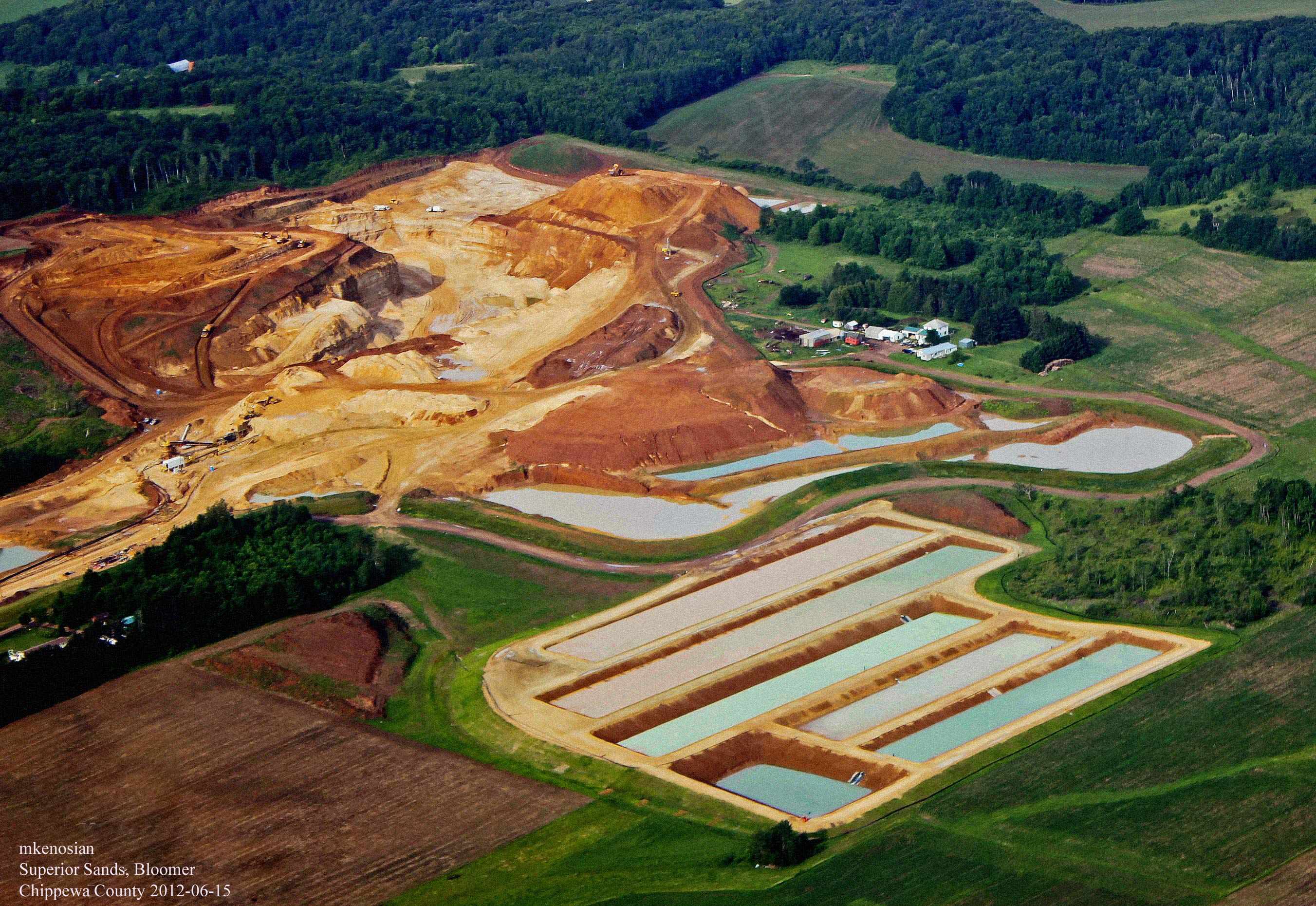
Silica sand mine in Chippewa County, Wisconsin
Fracking is a process in which a mixture of silica sand, water, and fracking fluid (which contains hundreds of
compounds, many of which are
proprietary and
thus not
disclosed to the public), is pumped into holes deep drilled into the ground. There it creates high pressure, fracturing the rock and releasing pockets of natural gas.
The method has drawn fire from environmental
advocacy groups for its environmental
impact. This includes effects on
air quality, the
contamination of groundwater, the status of natural gas as a greenhouse-gas-emitting
fossil fuel, and even for
causing earthquakes in some locations. Proponents of natural gas, however, insist that it is a transition
fuel, noting that burning natural gas
releases half the carbon dioxide of burning oil, and that it is a cheap energy source of which the US has significant
reserves. Some officials even credit natural gas with the
recent decline of US emissions to a 20 year low as new gas exploration has cut the price per unit by more than half over the last four years.
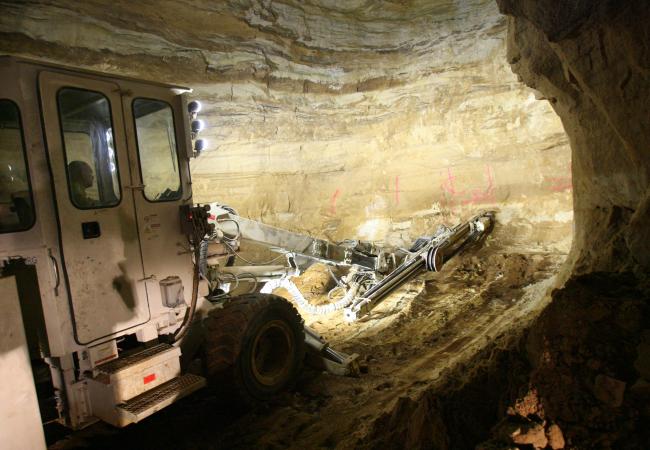
Miner preparing holes for blasting
While proponents and opponents of fracking debate, however, Minnesota and Wisconsin have become the
center of a frac sand boom, with mines
opening across the
silica sand region to fuel the booming fracking industry. In response, some counties in Minnesota have already
imposed moratoriums. In the words of Kristin Eide-Tollefson of the planning commission of Goodhue County's Florence Townships, "These permits just start flooding these communities once the doors are open". She says that local governments need more information. Concerns have been raised over the sand mines, not only for their role in the fracking industry, but also for their
effects on surrounding communities, such as increased
truck traffic,
respiratory illness such as silicosis, and the loss of
ecosystem services from the sand hills' water
filtering. Although the mines must follow the rules protecting navigable waterways,
accidental spills have also raised concerns. In addition,
concerns have been raised over the mine's effect on the habitat of the endangered
Karner blue butterfly.
The sand mining industry, though, says that the existing rules already do a good job of protecting the environment, and that regulations could affect investment and jobs. Rich Budinger of the Wisconsin Industrial Sand Company, regarding the moratoriums that some countries have imposed, says, "Resources at that point are sometimes redirected into areas where counties and townships understand non-metallic mining and industrial sand mining, and understand that regulations are in place to pretty much protect the safety and the environment of the region". He claims that a study like the one being proposed would take time and have an effect similar to the moratoriums.
Image Sources:
FracSandFrisbee and
MPR